Complete Guide to Warehouse Storage Racking Systems
Finding the right way to store goods is the backbone of any successful supply chain. Warehouse Storage Racking Systems are the structural solutions that allow businesses to stack goods vertically, turning empty air into valuable storage space. Without a solid racking strategy, a warehouse quickly becomes a cluttered mess of boxes and pallets, leading to lost time, damaged items, and safety risks.
An organized warehouse does more than just look neat; it directly impacts your bottom line. By using the right Warehouse Storage Racking Systems, logistics managers can maximize every square inch of their facility. This guide will walk you through everything you need to know about these systems, from the basic parts to the most advanced layouts used by global retail giants.
What Are Warehouse Storage Racking Systems?
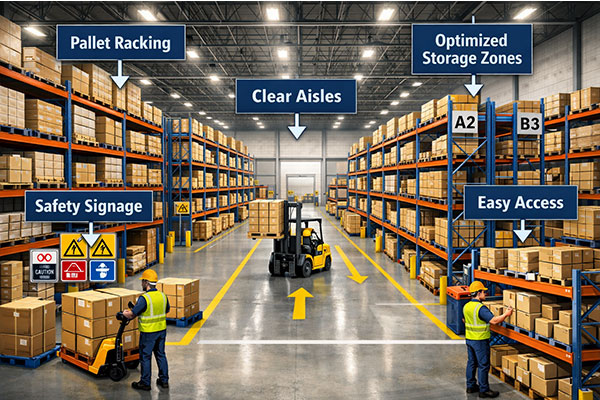
At its simplest, Warehouse Storage Racking Systems are heavy-duty metal frameworks designed to hold goods, usually on pallets, in horizontal rows and at multiple levels. Think of them as giant, industrial-strength bookshelves for businesses. Instead of books, they hold thousands of pounds of inventory, machinery parts, or consumer goods.
Modern warehouses depend on these structures because land is expensive. Instead of building a wider warehouse, companies “build up” by using tall racks. These systems are the heart of modern logistics, allowing for high-speed picking, better inventory tracking, and a much safer environment for workers. Whether you run a small local shop or a massive distribution center, the right racking system is what keeps your products moving smoothly from the shelf to the customer.
Key Components of Warehouse Storage Racking Systems
To understand how these systems stay standing under immense weight, you need to know the parts that make them up. Here are the essential components:
Upright Frames
Horizontal Beams
Pallet Supports
Wire Decking
Base Plates
Row Spacers
Major Types of Warehouse Storage Racking Systems
Not every warehouse is the same. A company selling frozen food has different needs than a company selling 20-foot steel pipes. Here are the most common types of Warehouse Storage Racking Systems used today:
- Selective Pallet Racking
This is the most popular type of racking. It is “selective” because every single pallet is accessible at all times. You don’t have to move one pallet to get to another. It is perfect for businesses with many different types of products (SKUs).
- Drive-In Racking
In this system, forklifts actually drive inside the racking structure to place pallets. It is designed for “Last-In, First-Out” (LIFO) inventory. This is great for high-density storage where you have a lot of the same product.
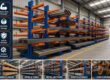
- Cantilever Racking
This system uses long arms sticking out from a single upright post, rather than frames with four corners. It is the go-to choice for storing long or bulky items like lumber, PVC pipes, or furniture.
- Push Back Racking
This is a high-density system where pallets sit on wheeled carts. When a new pallet is loaded, it “pushes back” the one behind it. This is excellent for saving aisle space while still keeping several pallets of the same product reachable.
- Multi-Tier Racking
This system creates multiple levels of walkways within the racking structure. It is essentially building a “second floor” out of racks, which is perfect for hand-picking small items in an e-commerce setting.
- Mezzanine Floor Racking
A mezzanine is a raised platform that is installed between the floor and the ceiling. It can be used for extra storage, office space, or even a packing area, effectively doubling your usable floor space without a building expansion.
Comparison Table: Choosing Your Racking System
| Racking System | Best Storage Use | Load Capacity | Ideal Industry |
|---|---|---|---|
| Selective | General storage / Many SKUs | Medium to High | Retail, General Logistics |
| Drive-In | High volume / Few SKUs | Very High | Food & Beverage, Cold Storage |
| Cantilever | Long or odd-shaped items | High | Construction, Furniture |
| Push Back | Bulk storage / LIFO | High | Grocery, Pharmaceuticals |
| Multi-Tier | Small parts / Hand picking | Low to Medium | E-commerce, Auto Parts |
How Warehouse Storage Racking Systems Improve Warehouse Efficiency
Factors to Consider When Installing Warehouse Storage Racking Systems
Before you start bolting racks to the floor, you need a plan. Consider these six factors to ensure you choose the right setup:
- Warehouse Size & Ceiling Height: Measure your “clear height” – the distance from the floor to the lowest overhead obstacle (like lights or sprinklers).
- Product Weight and Dimensions: You must know the maximum weight of your heaviest pallet. Overloading a rack is a major safety violation.
- Forklift Accessibility: Not all forklifts work in all racks. A standard forklift needs wide aisles, while a “reach truck” can work in much narrower spaces.
- Aisle Width Planning: Narrower aisles mean more storage space, but they require specialized equipment and highly skilled drivers.
- Floor Load Capacity: Your warehouse floor must be strong enough to hold the weight of the racks plus the weight of the goods.
- Safety Standards: Ensure your racks meet local building codes and seismic (earthquake) requirements if you live in an active zone.
Industries That Use Warehouse Storage Racking Systems
Almost every industry that handles physical goods relies on these systems. Some major examples include:
Logistics & 3PL
Manufacturing Plants
Retail Distribution Centers
E-commerce Warehouses
Automotive Spare Parts
Best Practices for Managing Warehouse Storage Racking Systems
To keep your warehouse running like a well-oiled machine, follow these maintenance and management tips:
Conduct Monthly Inspections
Use Column Protectors
Label Everything
Never Overload
Keep Aisles Clear
Train Forklift Drivers
Frequently Asked Questions (FAQ)
What are warehouse storage racking systems?
They are industrial metal structures designed to store goods vertically. They consist of frames and beams that allow businesses to stack pallets or products safely to save floor space.
Why do warehouses use racking systems?
Warehouses use them to maximize their storage capacity, improve organization, and speed up the process of finding and shipping products. They also make the warehouse much safer for workers.
What are the most common types of warehouse racking systems?
The most common types include Selective (for easy access), Drive-In (for high density), Cantilever (for long items), and Push Back (for LIFO storage).
Which racking system is best for heavy storage?
Selective Pallet Racks and Drive-In Racks are usually the best for heavy storage, provided they are made of high-quality “structural steel” rather than “roll-formed” steel.
What are the main benefits of warehouse racking systems?
The main benefits are 100% better space utilization, improved inventory accuracy, increased worker safety, and faster order fulfillment times.
How do I maintain warehouse racks?
You should perform regular safety inspections, install rack protectors to prevent forklift damage, ensure all bolts are tight, and never exceed the weight limits posted by the manufacturer.
Conclusion
In the world of modern business, speed and space are everything. Warehouse Storage Racking Systems provide the foundation for both. By choosing the right system – whether it’s the versatility of selective racking or the high density of a drive-in system – you can transform your warehouse into a high-performance hub. Remember that a great racking system is an investment in safety, efficiency, and future growth. When you organize your space effectively, you set your entire business up for success.