Multi Tier Racking Systems Reduce Storage Costs
Every growing business faces a very common problem: running out of room. As your company gets bigger, you need to store more products. However, rising warehouse rental rates and general storage costs are making it very difficult for businesses to keep their profits high. Renting a bigger building is often too expensive for many companies. Because of this, business owners desperately need to find better ways to use the space they already have.
If your warehouse is running out of floor space, you do not necessarily need a bigger building. You just need a smarter way to organize your goods. This is where a Multi Tier Racking System comes in as a brilliant, cost-saving solution. By completely changing how you view your storage space, this system can save your business thousands of dollars every year. In this detailed guide, we will explore what these systems are, why storage costs rise in the first place, and exactly how multi-level shelving protects your budget.
What is a Multi Tier Racking System?
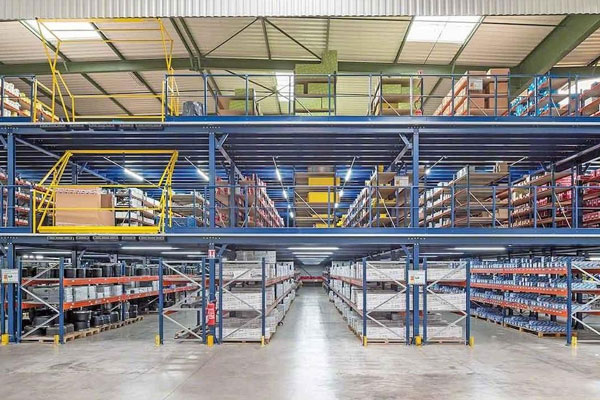
To understand how you can save money, you first need to know how this equipment works. A Multi Tier Racking System is a highly advanced storage rack system designed with two or more levels of shelving. Instead of just placing shelves on the ground, this system builds upward, creating multiple floors of storage areas within your existing building.
These intelligent systems use your vertical warehouse height efficiently. They are built with strong steel frames and include built-in walking platforms, safe stairs, and extensive shelving areas on every level. Because they create so much extra room out of thin air, they are highly suitable for warehouses, retail stockrooms, and manufacturing factories. By upgrading to Multi level storage racks, you essentially build a second or third floor inside your warehouse specifically designed for holding inventory.
Why Storage Costs Increase for Businesses
Before we look at the solution, we must understand the problem. Why is storing goods so expensive? Storage costs go far beyond just paying the monthly rent. If a warehouse is not planned properly, hidden costs will quietly eat away at a company’s profits. Here are the main reasons storage costs increase:
Industries Using Multi Tier Racking Systems
Because maximizing space is a universal business goal, this Cost effective warehouse storage is used across many different sectors. The most common industries include:
- E-commerce warehouses: Storing thousands of small, different items that need to be picked quickly by hand for online shoppers.
- Spare parts stores: Automotive and electronics shops that need to organize tiny screws, heavy motors, and thousands of separate components.
- Retail stockrooms: Supermarkets and clothing stores that need to keep a large amount of backup stock in a very small back room.
- Pharma storage: Medical distributors that must keep different medicines strictly separated and highly organized.
- Textile units: Clothing manufacturers storing large rolls of fabric, threads, and finished garments.
- Logistics companies: Third-party shipping hubs that need maximum storage capacity to hold goods for multiple different clients.
Why Multi Tier Racking Systems Reduce Storage Costs
Upgrading to a Warehouse racking system that utilizes multiple tiers is one of the smartest financial decisions a warehouse manager can make. Here is a detailed look at exactly how this equipment directly reduces your daily and yearly expenses.
Uses Vertical Space Efficiently
The biggest financial benefit of Multi tier racks is that they allow you to use the empty air space above your head. Most warehouses have very high ceilings, but businesses only use the bottom few feet. By adding a second or third level of shelving, you get significantly more storage without moving to a larger warehouse. You are maximizing the space you already pay for.
Delays Need for Expansion
Moving your entire business to a new, larger facility is a massive expense. You have to pay higher monthly rent, moving truck fees, and deal with days of lost business while you relocate. A Heavy duty racking system delays the need for expansion for many years. It saves rent and construction costs by allowing you to grow your inventory within your current four walls.
Better Inventory Organization
Time is money. When your warehouse is a mess, workers spend hours just looking for the right box. Multi-tier systems provide a specific, labeled place for every single item. This creates much better inventory organization. Your team spends less time searching for products, which means your business operates much smoother and faster.
Faster Picking Operations
In an e-commerce or retail business, how fast you can pick and pack an order dictates how much money you make. Because these racks keep everything highly organized and easy to reach via walkways and stairs, they guarantee faster picking operations. This efficiency greatly reduces labor hours, allowing the same number of workers to process twice as many orders.
Lower Product Damage
Damaged goods are a total loss for your business. When you run out of shelf space, boxes usually end up stacked dangerously high on the floor, where they get crushed or run over by forklifts. Warehouse space saving racks completely solve this problem. Organized shelving protects goods from being crushed, keeping your products in perfect condition for your customers.
Supports Business Growth
A great storage system grows with you. If you start with a two-tier system, many designs allow you to add a third tier later as your business becomes more successful. It supports business growth affordably. You can add more levels as needed, meaning you only spend money on storage equipment when you truly need it.
Improves Overall Warehouse Efficiency
A cluttered warehouse is a stressful and slow environment. By moving your goods onto proper, multi-level racks, you clear the ground floor. This improves overall warehouse efficiency. It creates a better workflow and allows for smarter layout planning, meaning forklifts and workers can move around the building safely and quickly.
Industries Using Multi Tier Racking Systems
- Because maximizing space is a universal business goal, this Cost effective warehouse storage is used across many different sectors. The most common industries include:
- E-commerce warehouses: Storing thousands of small, different items that need to be picked quickly by hand for online shoppers.
- Spare parts stores: Automotive and electronics shops that need to organize tiny screws, heavy motors, and thousands of separate components.
- Retail stockrooms: Supermarkets and clothing stores that need to keep a large amount of backup stock in a very small back room.
- Pharma storage: Medical distributors that must keep different medicines strictly separated and highly organized.
- Textile units: Clothing manufacturers storing large rolls of fabric, threads, and finished garments.
- Logistics companies: Third-party shipping hubs that need maximum storage capacity to hold goods for multiple different clients.
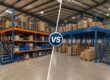
Multi Tier Racking vs Renting More Space
| Feature | Multi Tier Racking System | Bigger Warehouse Rental |
| Initial Cost | One-time investment for the equipment. | High moving costs, real estate fees, and setup costs. |
| Monthly Cost | Zero extra rent. You stay in your current building. | Permanent increase in monthly rental expenses. |
| Space Usage | Excellent. Uses 100% of your current vertical space. | Poor. You still only use the ground floor of the new building. |
| Business Disruption | Low. Can be installed in sections while you work. | High. Requires shutting down business to move locations. |
| Long-Term Value | High. You own the racks and they save money daily. | Low. Rent money is gone forever. |
How to Choose the Right Multi Tier Racking System
- If you are ready to stop wasting money and optimize your warehouse, you need to plan carefully. Here is what you should consider before installing Industrial storage racks:
- Ceiling height: Measure the exact height of your building from the floor to the lowest roof beam to see how many tiers you can safely build.
- Product type and weight: You must know how heavy your goods are. The steel frame and the walking platforms must be engineered to hold your specific weight safely.
- Required access speed: Consider how fast items need to be moved. You might need to add sliding gates so forklifts can place pallets directly onto the second level.
- Future expansion needs: Ask the manufacturer if the system is modular, meaning you can easily add another level or extend the length in the future.
- Safety features: Ensure the system includes high-quality safety handrails, anti-slip stair treads, and strong safety gates.
- Layout planning: Work with a professional to design the aisles so that your workers do not have to walk too far to reach the stairs.
Maintenance Tips
- To ensure your Warehouse racking system lasts for decades and keeps your workers safe, regular maintenance is required. Follow these simple tips:
- Inspect bolts and platforms: Every few months, walk through the system to ensure all metal joints are tight and the floor panels are not bending.
- Follow load limits: Never put more boxes on a shelf or allow more workers on a platform than the official safety weight limit allows.
- Keep walkways clear: Never leave empty boxes or trash on the stairs or walking platforms, as this creates a severe tripping hazard.
- Check stairs and railings: Ensure the handrails are completely solid and do not wobble when someone holds onto them.
- Schedule regular inspections: Have a professional storage expert do a full safety inspection of your racking system once a year.
FAQs
It is a heavy-duty industrial shelving structure built with multiple levels. It includes ground shelving and built-in upper floors with stairs and walkways, allowing workers to access goods high up in the air.
It reduces costs by doubling or tripling your storage capacity within your current building. This prevents you from having to pay expensive rent for a larger warehouse just to get more floor space.
They are heavily used by e-commerce fulfillment centers, automotive spare parts dealers, pharmaceutical distributors, clothing manufacturers, and general retail warehouses.
Yes, absolutely. By building upward instead of outward, you maximize the space you are already paying for, completely avoiding the high cost of renting a second building.
Yes. When designed and installed by professionals, these systems use thick industrial steel, secure walking platforms, and heavy-duty handrails to ensure complete safety for your daily workers.
You need to base your choice on your building’s ceiling height, the physical weight of your products, how your workers will move the goods up and down, and your local safety regulations.
Conclusion
Managing a growing inventory is a great sign of business success, but it should not force you into financial stress. By investing in a Multi Tier Racking System, you take a brilliant, proactive step toward protecting your profits. These systems offer incredible space-saving capabilities, drastically reduce the labor hours spent searching for items, and provide massive cost reduction benefits by keeping you out of expensive new rental leases. Instead of paying for empty air, you turn it into a highly organized, efficient workspace. We strongly encourage smart warehouse planning to ensure your business remains competitive and profitable for years to come.