Cantilever Racking Maintenance Checklist for Safety and Long Life
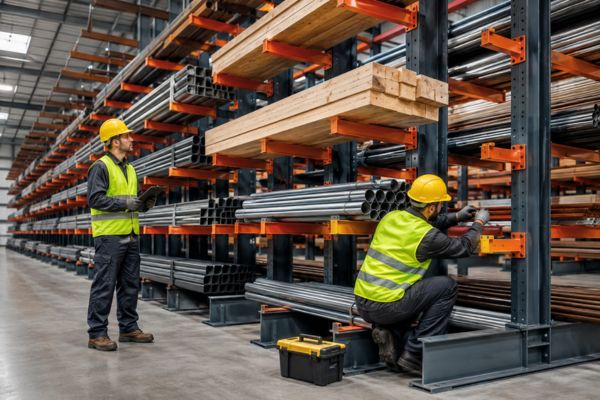
Warehouse safety should always be a top priority. When your facility stores long, heavy, and bulky items like steel bars, timber, pipes, or metal sheets, you rely heavily on your storage systems. However, even the strongest racks suffer from daily wear and tear. This is why cantilever racking maintenance is essential.
Routine checks ensure employee safety, keep your loads stable, improve storage efficiency, and extend the lifespan of your racks. Over time, forklifts can bump into columns, and heavy tubes can bend arms. If you ignore these small issues, they can lead to dangerous accidents. This guide provides a simple and practical approach to keeping your industrial storage racks safe and functional.
What Is Cantilever Racking Maintenance?
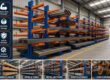
Cantilever racking maintenance is the ongoing process of checking, cleaning, and fixing your storage systems. Because these racks do not have front vertical columns, they are great for storing long materials. However, this open design means all the weight rests on the back columns and the arms.
Maintenance includes looking for bent arms, tightening loose bolts, checking for rust, and making sure the racks are not holding more weight than they should. Regular cantilever rack inspection helps you catch minor damage before it turns into a major safety hazard.
Why Cantilever Rack Maintenance Is Important
Taking care of your warehouse racking maintenance offers several major benefits:
- Worker Safety: A broken rack can drop heavy loads, putting your warehouse staff in danger. Regular checks prevent these accidents.
- Rack Stability: Keeping base plates secure and bracing tight ensures the whole system stays standing upright.
- Damage Prevention: Spotting a small dent early prevents a complete rack failure later.
- Load Protection: Safe racks mean your expensive inventory, like wooden beams or fragile pipes, won’t fall and get damaged.
- Longer Service Life: Well-maintained industrial storage racks last for many years, saving you money on replacements.
- Compliance: Following workplace safety procedures keeps you out of legal trouble and avoids heavy fines.
Common Causes of Cantilever Rack Damage
Understanding how racks get damaged is the first step in preventing it. Here are the most common causes:
- Forklift Impact: Forklift drivers accidentally hitting the columns or arms is the number one cause of damaged cantilever racks.
- Overloading: Putting too much weight on a single arm or column stresses the metal and causes it to bend.
- Uneven Load Distribution: Placing heavy steel bars on the tip of the arm instead of close to the column creates dangerous leverage.
- Loose Bolts: Vibration from heavy machinery can cause connectors and bolts to loosen over time.
- Bent Arms: This usually happens when operators drop loads too quickly onto the rack instead of placing them gently.
- Corrosion: Moisture and chemical spills can cause rust, eating away at the metal’s strength.
- Damaged Columns: A dented vertical column loses its ability to safely hold the arms above it.
- Improper Installation: If the rack wasn’t put together correctly from day one, it will weaken much faster.
- Floor Settlement: If the concrete floor under the rack cracks or sinks, the rack will lean dangerously.
Complete Cantilever Racking Maintenance Checklist
Use this detailed cantilever rack maintenance checklist to inspect your system properly.
Upright Column Inspection
Check the main vertical columns for dents, twists, or leaning. These columns hold all the weight. Even a small dent from a forklift can severely reduce the column’s strength.
Base and Floor Fixing Inspection
Check the base plates where the rack meets the floor. Ensure the anchor bolts are tight and secure. The rack should never wobble.
Bolt and Connector Inspection
Look at the pins or bolts connecting the arms to the upright columns. Check the bolts on the cross-bracing. Tighten any loose connections immediately.
Load Distribution Check
Make sure long materials like pipes and metal sheets are resting evenly across multiple arms. The heaviest part of the load should always be pushed back against the vertical column, not sitting at the front edge of the arm.
Load Capacity Label Check
Every rack must have a clear label showing its maximum safe weight. Check that these labels are visible. Ensure workers know the cantilever rack load capacity and are not exceeding it.
Corrosion and Rust Inspection
Walk around the racks and look for peeling paint or orange rust spots. Rust weakens the steel, which is especially dangerous in outdoor yards or damp warehouses.
Forklift Damage Inspection
Look for scratches, scraped paint, or dents near the bottom of the racks. This is a clear sign that forklifts are rubbing against the system.
Bracing Inspection
Check the X-bracing or horizontal bracing between the upright columns. These braces stop the racks from swaying side to side. Ensure none are bent or missing.
Safety Stop Inspection
If your arms have end stops (small pins at the end of the arm to stop pipes from rolling off), make sure they are in place and not bent.
Floor Condition Inspection
Look at the concrete floor around the base plates. If you see cracks or signs that the floor is sinking, the rack could become unstable.
Housekeeping Around Racks
Ensure the aisles are clean. Trash, empty pallets, or spilled inventory block the path of forklifts, increasing the chances of an accidental crash.
Daily Weekly Monthly and Annual Inspection Schedule
| Inspection Frequency | Items to Check | Responsible Person | Recommended Action |
|---|---|---|---|
| Daily | Visual check for leaning racks, obvious forklift dents, and overloaded arms. | Warehouse Staff / Forklift Drivers | Report any obvious damage to the manager immediately. |
| Weekly | Load distribution, aisle cleanliness, safety stops, and load capacity labels. | Warehouse Supervisor | Correct poorly placed loads and clear aisles. |
| Monthly | Detailed check of bolts, base plates, bracing, rust, and arm alignment. | Safety Officer or Maintenance Team | Tighten loose bolts, schedule repairs for minor damage. |
| Annual | Complete structural review of all rack components and floor conditions. | Professional Rack Inspector | Follow the expert’s report for full system compliance and major repairs. |
Warning Signs That Require Immediate Attention
If you see any of these issues during your rack safety inspection, you must unload the rack immediately and block off the area:
- Bent or twisted arms pointing towards the floor.
- Cracked welds where the arm meets the column.
- Loose base plates or anchor bolts pulled out of the floor.
- Missing bolts in the cross-bracing.
- Leaning columns that are no longer perfectly vertical.
- Severe rust that is flaking the metal away.
- Damaged bracing from a forklift hit.
- Overloaded arms that exceed the labeled weight limit.
How to Prevent Damage to Cantilever Racks
Prevention is the best form of maintenance. Here are practical cantilever rack maintenance tips to keep your storage safe:
- Train Your Drivers: Ensure forklift operators know how to navigate aisles safely and place long loads gently.
- Install Rack Guards: Place heavy-duty steel guards around the base of the columns to stop forklift tires and forks from hitting the main rack.
- Follow Weight Limits: Never guess the weight of steel bars or wet timber. Always stay under the rack’s safe limit.
- Position Loads Correctly: Train staff to push the load all the way back against the upright column.
- Improve Lighting: Bright aisles help forklift drivers see the racks clearly and avoid collisions.
When Should a Cantilever Rack Be Repaired or Replaced?
Not all damage requires a brand-new rack, but knowing when to repair or replace is crucial.
- Minor Maintenance: Tightening a loose bolt, replacing a missing safety pin, or touching up scraped paint to prevent rust are simple maintenance tasks your team can handle.
- Professional Repair: If a brace is slightly bent, a professional service might be able to safely unbolt it and install a new brace part. This is considered cantilever rack repair.
- Complete Replacement: If an upright column is heavily dented or a load-bearing arm has cracked welds, it must be replaced entirely. You should never try to hammer a bent arm straight or weld a broken column yourself. Heating and hammering weaken the steel.
Benefits of Professional Cantilever Rack Inspection
While your team should do daily and weekly checks, you need an expert once a year. A professional inspector knows exactly what to look for. They use proper tools to check if the racks are perfectly straight. They understand local safety laws and will give you a detailed report.
Relying on a professional ensures you don’t miss hidden dangers. It gives you peace of mind that your facility is fully compliant and your workers are safe.
Cantilever Racking Maintenance Checklist Summary
Keep this quick summary handy for your team:
- Inspect upright columns for dents.
- Check that all arms are straight and level.
- Ensure base plates and floor anchors are tight.
- Verify cross-bracing is straight and secure.
- Confirm loads are pushed back and evenly spread.
- Make sure weight capacity labels are readable.
- Look for rust or corrosion.
- Keep forklift aisles clean and wide.
Conclusion
A safe warehouse is an efficient warehouse. Storing long materials like pipes, steel tubes, and timber requires strong and stable racks. By sticking to a strict cantilever racking maintenance schedule, you protect your employees from accidents and save money on costly inventory damage. Use the checklist provided to spot warning signs early, train your staff on safe loading practices, and never hesitate to call an expert for an annual review.
Are you unsure about the safety of your storage racks? Contact our expert team today to schedule a professional cantilever rack inspection and ensure your warehouse is 100% safe!
Frequently Asked Questions (FAQs)
Cantilever racking maintenance requires daily visual checks by warehouse staff. Supervisors should do a closer inspection weekly or monthly. A certified professional should conduct a full, detailed inspection at least once a year.
The most common signs include arms that droop downward, dents or creases in the vertical columns, loose floor bolts, cracked paint around welded joints, and visible rust.
No. If an arm is bent from overloading or a forklift hit, it must be replaced. Trying to bend the arm back into shape or re-welding it destroys the structural integrity of the metal, making it unsafe.
You can prevent damage by installing steel column protectors at the base of the racks, keeping aisles clear of trash, ensuring aisles are wide enough, and properly training your forklift operators.
Overloading causes the metal to bend and warp. Over time, the heavy weight can cause the arms to snap or the entire vertical column to collapse, leading to severe injuries and damaged goods.
Daily and weekly checks can be done by trained warehouse staff and safety officers. However, annual inspections should be completed by a qualified, independent racking inspector or the manufacturer’s technical team.
Prevent rust by keeping the warehouse dry and fixing roof leaks quickly. If racks are used outside, make sure they are galvanized. Treat any deep scratches quickly with anti-rust paint to stop corrosion from spreading.
A rack should be replaced if the main load-bearing vertical columns are severely dented, if the rack leans and cannot be straightened, or if the cost of replacing multiple broken arms and braces is higher than buying a new system.