Heavy Duty Cantilever Racks for Storage
Every warehouse manager faces major storage challenges when handling long and bulky materials like heavy pipes, wide metal sheets, and long wooden planks. Unfortunately, many businesses rely on floor stacking for these items. Leaving long materials scattered on the ground wastes massive amounts of valuable floor space and creates severe safety risks for workers who might trip or struggle to move the items. To solve this frustrating problem, you need the right industrial equipment. Heavy Duty Cantilever Racks are widely recognized as an ideal storage solution for tricky, oversized goods. In this detailed guide, we will explore what these racks are, how they work, and why they are the perfect choice for organizing your heaviest, longest materials safely.
What Are Heavy Duty Cantilever Racks?
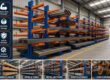
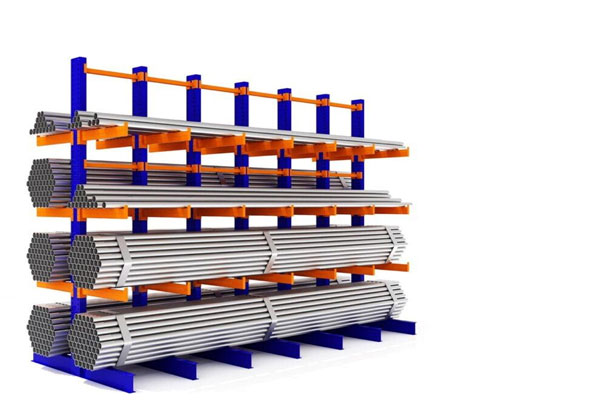
To understand why these racks are so useful, you first need to understand how they are built. Traditional shelving units have front posts that get in the way when you try to load something very long. A Cantilever rack system completely removes that obstacle. These are highly specialized storage racks built with strong vertical columns at the back and heavy-duty projecting arms sticking out towards the front.
Because they do not have any vertical posts in the front, they are perfectly designed for long, wide, and irregular materials. This creates a completely open front design for easy loading and unloading. A forklift driver can easily drive right up to the rack and place a 20-foot pipe directly onto the arms without having to maneuver around metal poles. Because of their incredible strength and smart design, these heavy-duty systems are heavily used in warehouses, large manufacturing factories, and outdoor construction yards across the world.
Why Proper Storage of Pipes, Sheets, and Timber Matters
You might wonder if investing in heavy steel racking is really worth the cost. The truth is, poor storage habits cost a business money every single day. Here is why proper storage is absolutely critical for your operations:
Industries Using Heavy Duty Cantilever Racks
Because organizing long and bulky items is a universal challenge, these strong racks are heavily relied upon across many different business sectors. The most common industries include:
- Steel traders: To store massively heavy steel bars, metal tubes, and iron beams safely.
- Timber yards: Keeping different lengths of raw lumber organized, dry, and ready for shipping.
- Furniture manufacturers: Storing long pieces of raw wood and wide sheets of plywood used for building.
- Pipe distributors: Separating different sizes of PVC, copper, and industrial plumbing pipes.
- Construction suppliers: Holding long rolls of carpet, drywall sheets, and metal roofing materials.
- Warehouses: General logistics centers that handle oversized, bulky items that do not fit on standard pallets.
How Heavy Duty Cantilever Racks Help Organize Pipes, Sheets, and Timber
Upgrading to Heavy duty storage racks will completely change how your facility operates. Here is a detailed look at exactly how this system organizes your most difficult materials.
Ideal for Long Pipes
Steel, copper, and PVC pipes are notoriously difficult to store because they roll easily and take up massive lengths of space. A cantilever system acts as the perfect Pipe storage rack. It stores metal, PVC, and industrial pipes neatly in a horizontal position. Special end-stops can be added to the arms to ensure the round pipes never roll off the edge.
Safe Storage for Sheets
Flat materials like heavy steel plates, drywall, and large plywood panels are too wide for standard pallet racks. A cantilever setup works brilliantly as a Sheet storage rack. It keeps plywood, steel sheets, and panels perfectly organized and flat. This makes it incredibly easy for a forklift to slide its forks under a stack of sheets and lift them away safely.
Perfect for Timber and Wood Planks
Wood requires careful handling. If wooden planks are left on a damp floor, they will absorb moisture and rot. Using this system as a Timber storage rack keeps the wood elevated and safe. It allows for easy sorting by size and type, so you can keep oak, pine, and cedar separated on their own designated levels.
Uses Vertical Space Efficiently
Just like high-rise buildings save city space, these racks save warehouse space. Instead of laying long items side-by-side across your entire warehouse floor, the rack uses vertical space efficiently. You can stack materials high into the air, creating vastly more storage in less floor area.
Easy Loading with Forklift
Time is a valuable resource in any industrial setting. Because there are no front columns blocking the way, the open front access saves time. This guarantees extremely easy loading with a forklift. The driver has a clear, unobstructed path to lift, position, and lower heavy loads onto the arms safely.
Better Stock Visibility
When everything is lying in a giant pile on the floor, it is impossible to see what you have at the bottom. Industrial cantilever racks provide much better stock visibility. Managers can walk down the aisle and instantly perform quick material identification, saving hours of frustrating searching.
Reduces Damage and Bending
Long materials like plastic pipes or thin wood will bend, sag, or warp if they are not supported properly. A cantilever system prevents this. By spacing the arms correctly, the rack supports the entire length of the material. This drastically reduces damage and bending, ensuring your products stay perfectly straight and ready for sale.
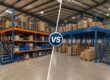
Cantilever Racks vs Floor Storage
| Feature | Heavy Duty Cantilever Racks | Floor Storage |
| Space Efficiency | High. Maximizes vertical height to save floor room. | Very low. Wastes massive amounts of floor space. |
| Material Accessibility | Excellent. Direct access to any specific item on any level. | Poor. Requires moving top items to reach the bottom ones. |
| Safety Level | Very high. Keeps dangerous trip hazards off the ground. | Low. Pipes can roll, and messy piles can fall over. |
| Product Protection | Keeps items straight, dry, and protected from forklift damage. | Items at the bottom often get crushed, wet, or warped. |
| Inventory Tracking | Easy to label and see every piece of stock instantly. | Very confusing and difficult to accurately count. |
How to Choose the Right Cantilever Rack
- Material length: You must know the longest items you plan to store. This dictates how wide your rack system needs to be to support the ends without sagging.
- Load weight: Calculate the total weight of your heaviest bundles. The upright columns and the arms must be rated to carry that specific tonnage safely.
- Indoor or outdoor use: If you are placing the racks in an outside yard, you must buy galvanized steel racks that will not rust in the rain.
- Rack height: Measure your ceiling height and your forklift’s maximum lifting reach to ensure you do not build higher than you can safely access.
- Number of arms needed: Ensure the rack has enough arms spaced closely together to support thin or flexible materials so they do not bend in the middle.
- Safety and expansion needs: Buy a system that can easily be added onto later, and ensure it comes with safety pins to lock the arms securely in place.
Maintenance Tips
- Check arm alignment: Look at the rack rows regularly to ensure the arms are perfectly straight and not bending downward from heavy weight.
- Inspect bolts and anchors: Make sure the heavy bolts that anchor the system into the concrete floor remain tight and secure.
- Avoid overloading: Never place more weight on a single arm or column than the manufacturer’s official safety rating allows.
- Keep aisles clear: Ensure the floor space in front of the racks is clean so forklifts do not crash into the steel columns while turning.
- Regular safety inspection: Have a warehouse manager visually inspect the steel frames every few months for any signs of forklift dents, rust, or structural damage.
FAQs
They are specialized industrial storage racks used to safely hold extremely long, wide, or bulky materials that do not fit on standard shelving, such as pipes, lumber, and metal sheets.
Yes, they are the best solution available for pipes. By adding simple stops to the ends of the rack arms, you can securely store round pipes and prevent them from rolling off.
Absolutely. They keep wooden planks off the ground away from moisture and support the wood evenly across its length to prevent bending and warping.
Instead of laying long materials side-by-side across the floor, these racks allow you to stack materials vertically up towards the ceiling, freeing up massive amounts of ground space.
Yes. However, if you plan to use them outside, you must purchase racks made with specially treated, galvanized steel to protect them from rain, snow, and rust.
You need to choose based on the physical weight of your products, the maximum length of the materials, the lifting height of your forklift, and whether the rack will be indoors or outdoors.
Conclusion
Managing oversized, heavy materials does not have to result in a messy, dangerous workspace. By upgrading to Heavy Duty Cantilever Racks, you take total control over your inventory layout. These brilliant storage systems offer unmatched organization, drastically improve warehouse safety by clearing the floors, and provide incredible space-saving benefits by utilizing your vertical air space. Your products remain protected, and your workers can do their jobs much faster. We strongly recommend proper rack planning for all your bulky materials to ensure your facility runs at peak performance.